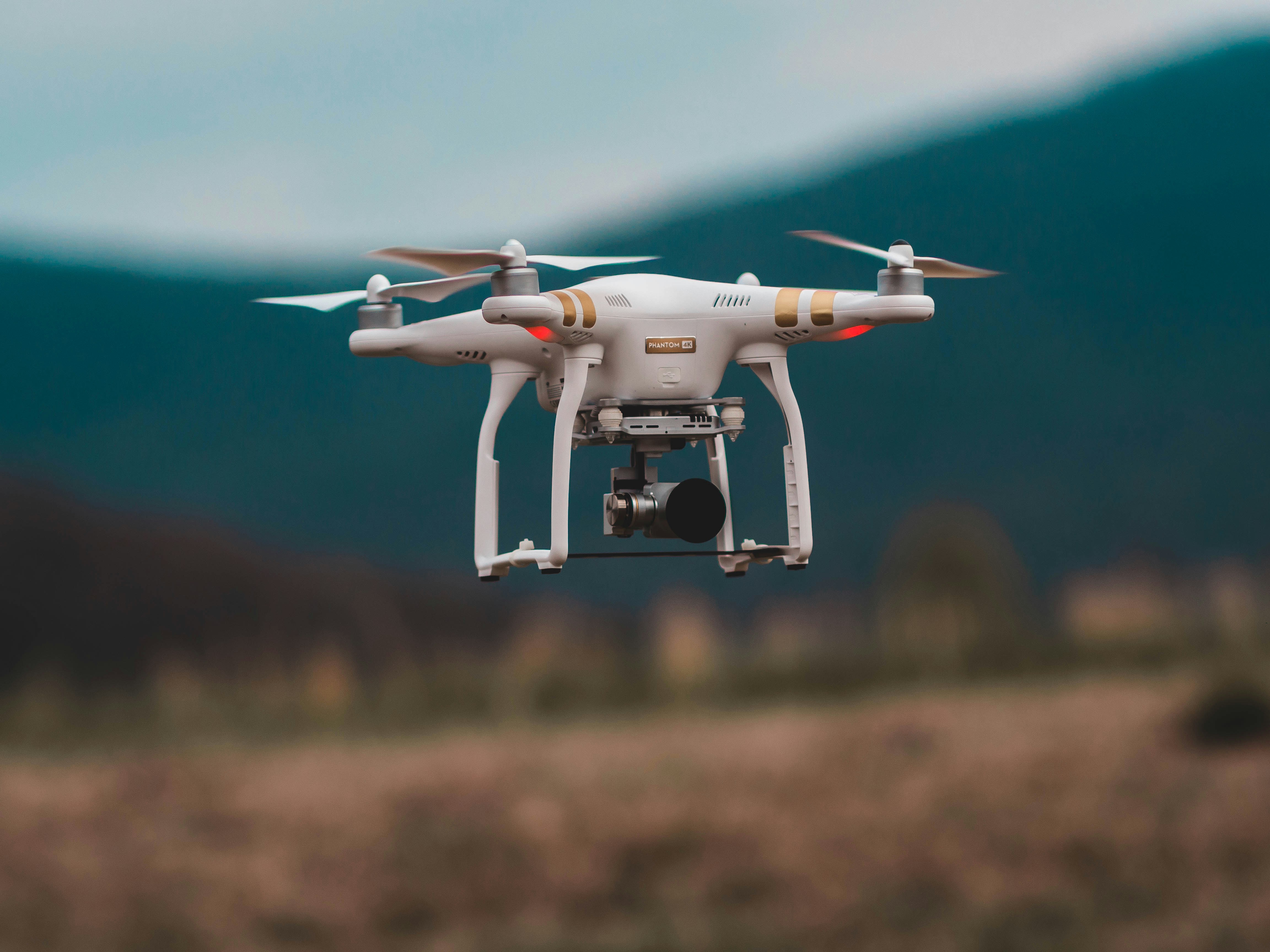
The Rise of Drones in Photography and Videography


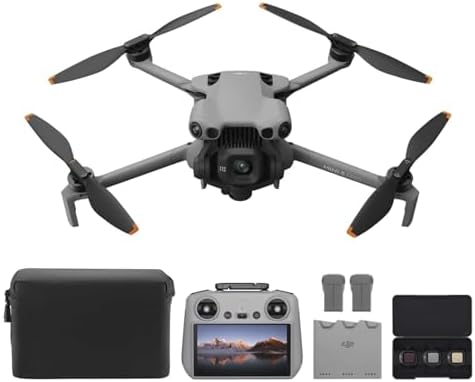
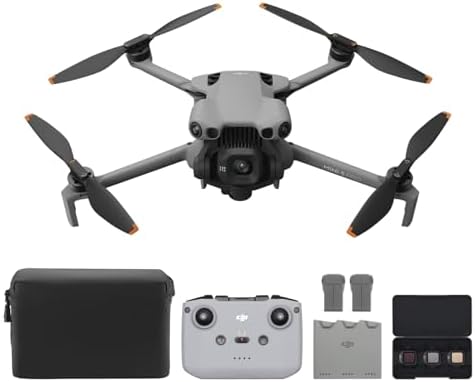

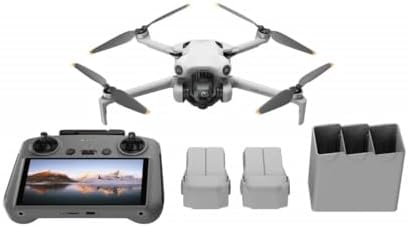

The evolution of drone technology over the past decade has significantly transformed the fields of photography and videography. Once considered a niche market, the advent of consumer drones equipped with high-quality cameras has made aerial imaging accessible to a broader audience, including both professional creators and hobbyists. The ability to capture stunning aerial shots from unique perspectives has changed the way landscapes, events, and artistic works are documented.
In the early days of drones, the technology was primarily reserved for military and commercial uses. However, the advancement in drone capabilities, combined with a decrease in production costs, has led to widespread availability of user-friendly models. Today, many consumer drones come with intuitive features such as automated flight modes, real-time stabilization, and Wi-Fi connectivity, enabling users to operate them with relative ease. These advancements have opened the market to individuals who may not possess extensive technical knowledge but wish to explore the creative possibilities that drone photography offers.
The impact of drones on the visual media landscape is substantial. Creators can now elevate their photography and videography projects by incorporating breathtaking aerial viewpoints once thought to be unattainable. For instance, landscape photographers can capture sweeping views that highlight the grandeur of nature, while event videographers can deliver dynamic footage that showcases the ambiance of weddings or sports events from above. The newfound capabilities of drones have not just revolutionized how we see the world but have also inspired a wave of creativity among those who embrace this technology.
Essential Accessories for Enhanced Aerial Shots
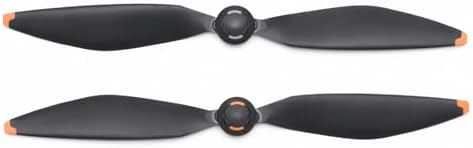
![FPVtosky Lanyard for DJI RC Pro 2, HD Tempered Glass Screen Protector Film for DJI Mavic 4 pro Remote Controller Accessories [ONLY for RC PRO 2]](https://m.media-amazon.com/images/I/4158LjpgX2L._AC_.jpg)
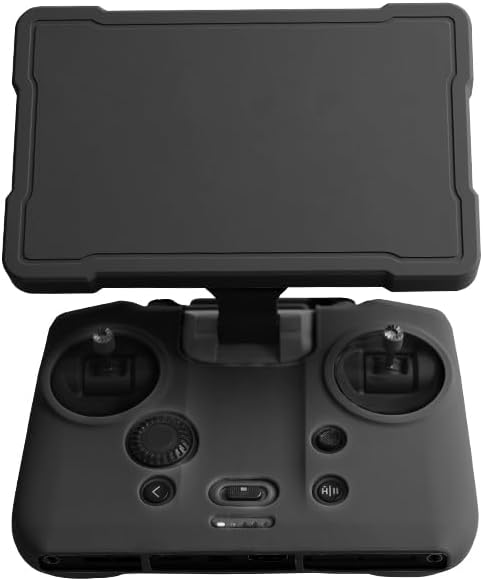

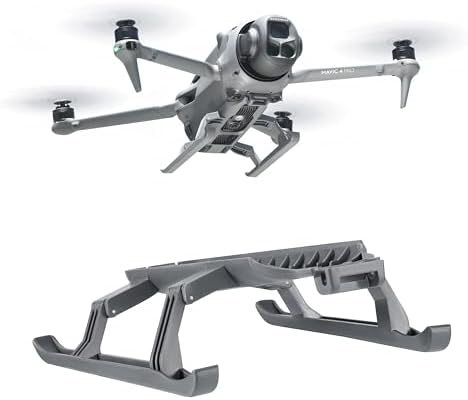
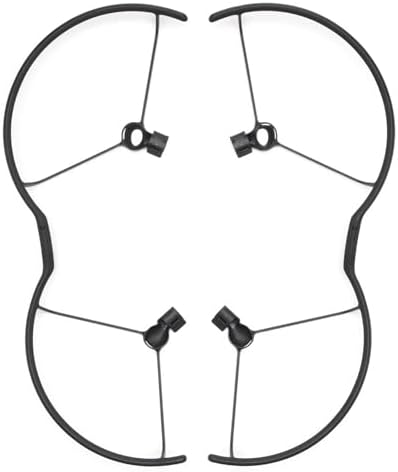


![Screen Protector for DJI Mini 5 Pro/Mini 4 Pro / 3 Pro (DJI RC) Monitor Remote Controller, ULBTER Tempered Glass 0.3mm 9H Hardness Accessory Anti-Scrach Anti-Bubble [3 Pack]](https://m.media-amazon.com/images/I/410imqRu7pL._AC_.jpg)
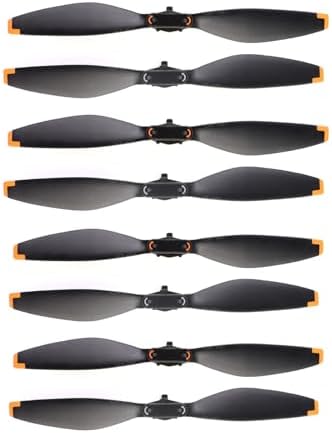
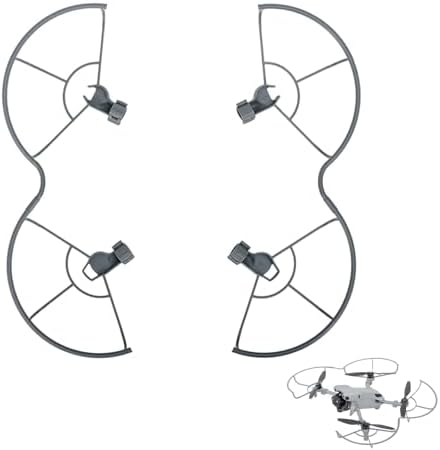


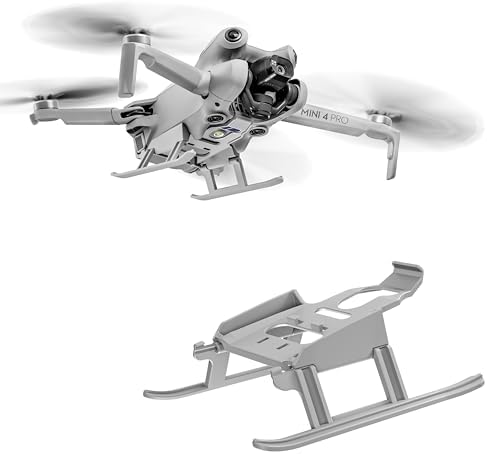
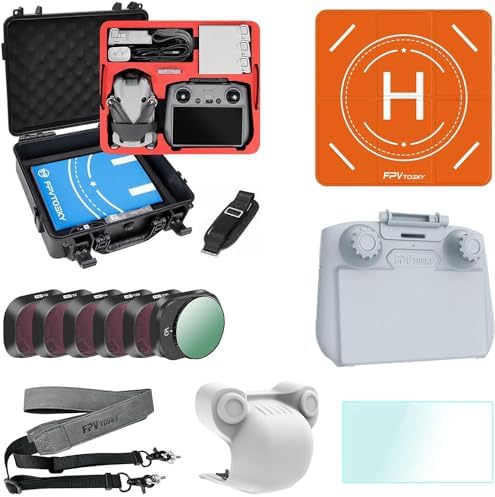
To truly elevate your aerial photography and videography, incorporating essential accessories is crucial. These tools not only enhance image quality but also provide greater versatility and ease during shoots. Here, we delve into some of the most impactful accessories that every drone enthusiast should consider.
Firstly, ND (neutral density) filters are pivotal for controlling exposure and achieving cinematic shots. These filters reduce the amount of light entering the lens without affecting color, allowing for smoother motion blur in video and stunning stills in bright conditions. They are particularly beneficial in sunny environments where glare can hinder image clarity.
Another critical accessory is a gimbal. This stabilizing device ensures that your drone camera captures steady footage, even in windy conditions or during rapid movements. A high-quality gimbal can transform shaky, unusable footage into smooth, professional video, making it an indispensable tool for videographers aiming for high-quality results.
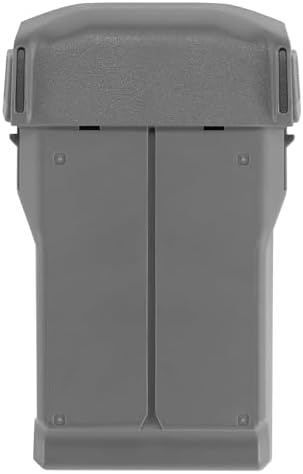
Additional batteries are also essential. Since aerial shots often require lengthy flights, carrying extra batteries allows for extended shooting time. This is particularly important when capturing images in remote locations where recharging opportunities are minimal. Investing in high-capacity batteries can provide a significant advantage, enabling you to focus on your craft without the interruption of battery changes.
Lastly, a durable carrying case is essential to protect your drone and accessories during transportation. Investing in a case that offers compartmentalization ensures that all your gear remains secure and accessible, enabling efficient shooting sessions. When selecting accessories, consider your specific shooting needs and environments, ensuring that each item complements your photographic goals.
Techniques for Stunning Aerial Photography and Videography
Aerial photography and videography present unique opportunities to capture captivating images that showcase landscapes from a fresh perspective. The success of these visuals relies heavily on understanding and implementing various techniques that enhance the quality of the final product. First and foremost, camera angles play a crucial role in aerial shots. Experimenting with different heights and orientations can provide diverse viewpoints. Low-angle shots can capture expansive vistas, while high-angle perspectives may highlight intricate details in a landscape.
Lighting conditions significantly affect the outcome of aerial imagery. Ideally, shooting during the golden hour—shortly after sunrise or just before sunset—can result in softer shadows and warmth in your shots, bringing life to your compositions. Avoiding harsh midday light can prevent overexposed highlights and underexposed shadows that may detract from the photo’s quality. Moreover, the composition should adhere to the fundamental principles such as leading lines, symmetry, and the rule of thirds to ensure visual balance.
When flying a drone, smooth motion is vital for dynamic video footage. Pilots should master techniques such as yaw, pitch, and roll, ensuring that maneuvers are executed gently to maintain stability. Practice hovering and slowly transitioning between angles to create fluid cinematography. It is also imperative to scout the environment before taking off. Understanding the surroundings, existing obstacles, and potential wind conditions can prevent misfires and accidents during shooting.
Lastly, captivating narratives can be woven through aerial shots by telling a story from the sky. Consider the flow of motion; for instance, starting with a close-up of a subject before revealing wider angles allows viewers to connect emotionally with the scene. This systematic approach to planning shots enhances not only the aesthetic quality but also the thematic depth of the final product.
Post-Production Tips to Enhance Your Aerial Footage
The post-production phase plays a crucial role in maximizing the beauty and impact of drone-captured content. Through careful editing, one can elevate the raw footage, making it more visually appealing and engaging for the audience. To optimize aerial footage, selecting the right software for editing is essential. Popular choices include Adobe Premiere Pro, Final Cut Pro, and DaVinci Resolve. Each of these platforms offers a variety of tools and features that can help streamline the editing process, allowing for a more efficient workflow.
Color grading is a vital aspect of post-production that can significantly enhance the overall aesthetic of your drone footage. This technique involves adjusting the colors in your clips to create a desired ambiance or mood. By manipulating attributes such as contrast, brightness, and saturation, you can transform an ordinary scene into a visually stunning portrayal. Using color grading tools available in editing software, one can match the footage’s style with the intended narrative style, ensuring a cohesive viewing experience.
Additionally, the integration of visual effects can take your aerial footage to the next level. Incorporating elements such as transitions, overlays, and motion graphics can help emphasize key points in the narrative or create an immersive atmosphere. However, it is important to use these effects selectively and thoughtfully, as overuse can detract from the breathtaking visuals captured by the drone.
Ultimately, effective post-production offers the opportunity to weave together various aerial shots into a cohesive story. By blending different scenes, adjusting colors, and applying effects, you can create a compelling atmosphere that resonates with viewers, thereby enhancing their overall experience of the captivating aerial landscapes that drones can capture.